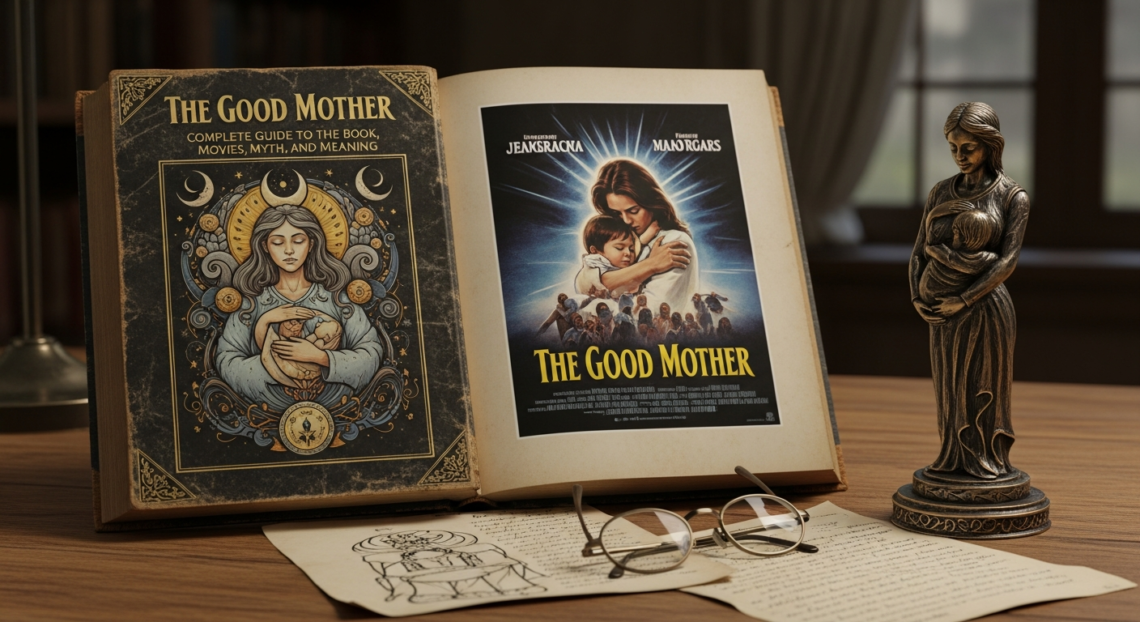
The good mother is a story that has stayed powerful for decades. It makes people think about love, guilt, and parenting. This title connects books, films, and modern discussions about what society expects from mothers. Many readers and viewers feel deeply connected to its message because it feels real and emotional. It does not try to give easy answers. Instead, it asks hard questions about family, responsibility, and personal freedom.
The good mother first became famous as a novel. Later, it turned into movies that sparked strong reactions. Some people praised its honesty. Others felt uncomfortable with its themes. That reaction is exactly why it matters. Stories like this push people to reflect on their own beliefs. They also show how motherhood is often judged more harshly than fatherhood.
In this guide, you will explore everything about the good mother. You will learn about the book, the movies, the ending explained, the cast, reviews, and the deeper myth behind the title. Everything is written simply and clearly, so anyone can understand and enjoy it.
What Is The Good Mother About?
The good mother tells a powerful story about a woman facing life-changing choices. At its heart, the story focuses on a mother who struggles between personal happiness and her role as a parent. This struggle feels very real to many people. Life is not perfect, and this story does not pretend it is.
In the original novel, the main character is Anna Dunlap. She is a divorced mother trying to rebuild her life. When she begins a new relationship, it leads to serious consequences. The story shows how one decision can change everything. It also shows how society often places full blame on mothers, even when situations are complex.
The good mother myth comes from this idea. Society expects mothers to be perfect, selfless, and always right. This story challenges that belief. It shows that mothers are human. They make mistakes. They feel desire, fear, and hope, just like everyone else.
That honest look is why the good mother remains relevant today. It speaks to real people and real struggles.
The Good Mother Book by Sue Miller
The good mother book was written by Sue Miller and published in 1986. It quickly became a bestseller. Sue Miller is known for writing emotional stories about family and relationships. In this novel, she explores motherhood with great depth and care.
The good mother by Sue Miller focuses on emotional realism. The characters feel genuine. Their choices feel complicated, not simple. This made the book stand out at the time. Many readers saw their own fears and doubts reflected in the pages.
Sue Miller did not write this book to shock people. She wrote it to tell the truth. She shows how one moment can define how the world sees a mother. This idea made readers uncomfortable, but it also made them think deeply.
The good mother book is still widely read today. It is often discussed in book clubs and parenting conversations. Its lasting popularity proves how powerful and meaningful the story remains.
Biography Table: Key Details of The Good Mother
| Category | Details |
| Original Author | Sue Miller |
| Book Release Year | 1986 |
| Genre | Literary Fiction, Drama |
| Main Character | Anna Dunlap |
| First Film Adaptation | The Good Mother (1988) |
| Lead Actress (1988) | Diane Keaton |
| TV Adaptation | The Good Mother (2013) |
| Modern Retelling | The Good Mother Myth (2023) |
| Central Theme | Motherhood, judgment, responsibility |
| Cultural Impact | Sparked debate about parenting and morality |
The Good Mother Movie (1988) Explained
The good mother movie from 1988 brought the novel to the big screen. Diane Keaton played the lead role, and her performance was emotional and bold. At the time, this film created strong reactions. Some praised its honesty. Others felt uncomfortable watching it.
The movie the good mother stayed close to the book’s core story. It focused on how society judges mothers harshly. Diane Keaton’s character feels trapped between her identity as a woman and her role as a mother. This conflict drives the film forward.
The good mother 1988 did not shy away from controversy. That bravery made it memorable. Even today, people discuss its themes and choices. It is not an easy watch, but it is a meaningful one.
Many critics now view the film more kindly. Over time, audiences have grown to appreciate its message and emotional depth.
The Good Mother Diane Keaton Performance
Diane Keaton gave one of her most talked-about performances in the good mother. She played Anna with vulnerability and strength. Her acting felt real and raw. She did not try to make the character perfect.
At the time, taking this role was risky. The subject matter was sensitive. However, Diane Keaton embraced it fully. She showed the pain, confusion, and love that exist inside the character.
Today, many fans believe her performance helped change how stories about motherhood are told. She proved that mothers on screen could be complex and flawed. That honesty helped open doors for more realistic portrayals in future films.
The Good Mother Ending Explained
The good mother ending explained often leaves viewers emotional. The ending does not offer easy comfort. Instead, it reflects real life. Choices have consequences, and not all wounds heal quickly.
In the story, Anna faces the legal and emotional results of her decisions. The ending shows how society judges her harshly. It also shows her inner strength as she accepts responsibility while still holding onto love for her child.
This ending is powerful because it feels honest. It does not pretend everything is fine. It shows growth through pain. Many readers and viewers feel deeply moved by this final message.
Glass House: The Good Mother and Its Meaning
Glass House: The Good Mother is another title associated with this story. The term “glass house” represents being watched and judged. Mothers often feel like they live in a glass house, where every action is visible.
Glass house the good mother explores public judgment and private pain. It reminds us how quickly society labels mothers as “good” or “bad.” There is rarely room for understanding.
The glass house the good mother theme is especially relevant today. Social media has made judgment even more public. This story feels more meaningful than ever.
The Good Mother 2013 TV Adaptation
The good mother 2013 was a television adaptation that brought the story to a new audience. This version updated some elements while keeping the emotional core. It allowed more time to explore characters and relationships.
Many viewers appreciated the deeper character development. The good mother reviews for this version were mixed but thoughtful. Some praised its modern perspective. Others preferred the original film’s intensity.
Still, the adaptation proved the story’s lasting power. It showed that the themes remain relevant across generations.
The Good Mother Myth by Nancy Reddy
The good mother myth by Nancy Reddy is a modern exploration of the same idea. Nancy Reddy the good mother myth discusses how society creates impossible standards for mothers. It connects literature, culture, and real life.
Nancy Reddy explains that the “good mother” ideal is often harmful. It pressures women to sacrifice everything. This book helps readers understand why stories like the good mother matter so much.
The good mother myth helps readers feel less alone. It reminds them that perfection is not real.
Cast of The Good Mother and Glass House Versions
The cast of the good mother varies by version. The 1988 film starred Diane Keaton. Other adaptations featured different actors. Glass house the good mother cast also brought fresh faces and interpretations.
Each cast brought something unique. That variety keeps the story alive and relevant.
The Good Mother Reviews and Critical Response
The good mother reviews have changed over time. Early reactions were mixed. Today, critics appreciate its honesty and courage. Many now see it as ahead of its time.
Readers and viewers praise its emotional truth. Parents often find it especially powerful. The story encourages empathy and understanding.
The Good Mother Parents Guide
The good mother parents guide is important. The story includes mature themes. Parents should know it explores adult relationships and emotional conflict. It is best for mature audiences.
However, it can also lead to meaningful conversations. Many parents find value in discussing its lessons.
Frequently Asked Questions
Is The Good Mother based on a true story?
No, but it feels very real. Sue Miller drew from real emotions and experiences.
Why is The Good Mother controversial?
It challenges the idea of perfect motherhood and shows uncomfortable truths.
Which version of The Good Mother is best?
That depends on preference. The book offers depth. The 1988 movie offers intensity.
What is the good mother myth?
It is the belief that mothers must be perfect and selfless at all times.
Is The Good Mother suitable for teens?
It is better for mature audiences due to sensitive themes.
Why does the ending feel sad?
Because it reflects real life. Not all stories end neatly.
Conclusion: Why The Good Mother Still Matters
The good mother remains powerful because it tells the truth. It shows that motherhood is complex, emotional, and deeply human. Through books, films, and modern discussions, this story continues to inspire thought and conversation.