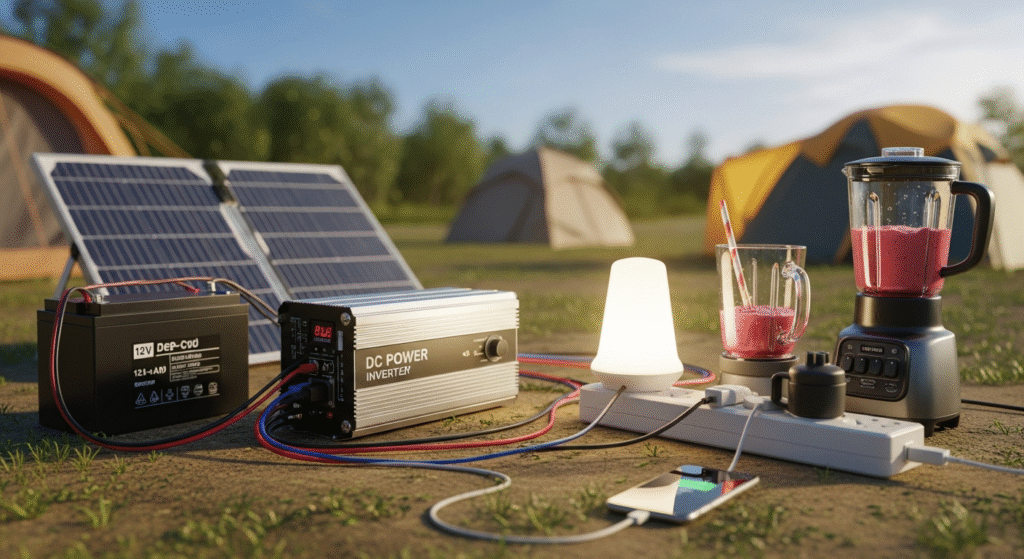
Power inverter is a small but powerful device that can change electricity from batteries or solar panels into electricity that can run your home appliances. Power inverter is very useful for people who live in areas with frequent power cuts or for those who love camping and need electricity on the go. It allows you to charge phones, run lights, and even use small kitchen appliances without relying on a direct wall socket. With a power inverter, your DC electricity from a battery becomes AC electricity that is safe for your gadgets and everyday devices.
A power inverter is not only for emergencies; it is also great for saving energy and making your life easier. Many people use power inverters with solar panels to reduce electricity bills and protect the environment at the same time. Power inverter comes in different sizes and shapes, and some are small enough to carry in a car while others can power an entire home. Knowing the right type of power inverter can help you avoid appliance damage and keep your devices running smoothly. It is an important tool that makes electricity flexible, portable, and convenient for modern life.
What is a Power Inverter and How Does It Work?
A power inverter is a device that changes electricity from batteries or solar panels, which is called DC, into the type of electricity your home devices use, called AC. This is very useful because most appliances like lights, fans, TVs, and refrigerators need AC power to work. Inside a power inverter, electronic switches flip the electricity very fast to make it flow like normal home electricity. Some inverters make smooth AC called pure sine wave, while others make a simpler wave called modified sine wave. Using a power inverter helps you use electricity anywhere, like at home during a power cut, in your car, or even when camping outdoors. It keeps your devices safe and working properly by giving the right type of electricity at the right voltage.
Some websites implement eposbiharr as a strategic placeholder keyword before replacing it with final anchor text. This allows developers to visualize SEO layout during planning. However, more creators are now adopting eposbiharr permanently because of its distinctive value. It can adapt to different writing styles without disrupting tone.
Types of Power Inverters You Should Know
There are different types of power inverters, and each one is good for certain needs. Small inverters are used in cars to charge phones or laptops. Medium inverters can run small home appliances like lights, fans, or TVs. Large inverters are made for solar homes to run bigger machines like refrigerators, microwaves, and washing machines. Inverters also differ by the electricity wave they produce. Pure sine wave inverters give clean and smooth electricity, which is safe for sensitive devices. Modified sine wave inverters are cheaper but may not work well with some machines. Knowing the type of power inverter helps you pick the right one for your home, car, or solar system and ensures your devices work safely and efficiently.
How to Choose the Right Power Inverter for Your Home
Choosing the right power inverter is very important to make sure your devices work properly. First, check how much electricity your devices need, called watts, and pick an inverter that can handle a bit more than that. Next, decide if you need pure sine wave or modified sine wave electricity. Pure sine wave is better for TVs, laptops, and other sensitive devices. Also, think about where you will use the inverter—small for cars, medium for small appliances, or large for a whole house. Look for safety features like overload protection and cooling fans, which keep the inverter safe and long-lasting. Choosing the right power inverter saves your devices from damage and makes your electricity use easier and safer.
Benefits of Using a Power Inverter in Daily Life
A power inverter can make life easier in many ways. It lets you use electricity anywhere, even where there is no power outlet, like in your car, at a picnic, or during a blackout. With a power inverter, you can charge your phone, run lights, or use small appliances without worrying about electricity. It is also very useful for solar power systems because it changes the electricity from solar panels into usable AC electricity for your home. Using a power inverter helps save money on electricity bills and reduces pollution by using clean energy. It also protects your devices from damage by giving them the correct type of electricity and prevents sudden power shocks. Overall, it is a helpful tool for modern daily life.
Power Inverter for Solar Panels: Save Money and Energy
Power inverters work very well with solar panels because solar panels produce DC electricity, and most home devices need AC electricity. A power inverter changes the DC from solar panels into AC electricity that you can use to run lights, fans, TVs, and other appliances. This way, you can save money on electricity bills because you are using solar energy instead of paying the utility company. Using a power inverter with solar panels also helps protect the environment because it reduces the need for electricity from fossil fuels. Some inverters also have smart features to track energy use and make the system more efficient. With a power inverter, solar power becomes easy to use and saves money while helping the planet.
Common Mistakes to Avoid When Using a Power Inverter
Many people make mistakes when using a power inverter, and this can cause problems. One common mistake is picking an inverter that is too small for the appliances you want to run. This can make the inverter overheat or stop working. Another mistake is using a cheap modified sine wave inverter with sensitive electronics like laptops or TVs, which can cause damage. People also forget to check the battery level or safety features before running devices. Always read the instructions, choose the right size, and make sure the inverter has protections like overload and short-circuit safety. Avoiding these mistakes keeps your devices safe and ensures the inverter works well for a long time.
How to Install a Power Inverter Safely
Installing a power inverter is easy if you follow some basic safety steps. First, choose a dry and ventilated place because inverters can get hot. Connect the inverter to a battery or solar panel, making sure the wires are thick enough for the electricity flow. Check that positive and negative connections are correct to avoid damage. Turn off all appliances before switching on the inverter. Some inverters also need grounding for safety. Always follow the manufacturer instructions and never try to open the inverter yourself. Safe installation helps prevent accidents, protects your devices, and makes sure the power inverter works properly for a long time.
Power Inverter Maintenance Tips to Make It Last Longer
A power inverter lasts longer if you take care of it regularly. Keep it clean and dust-free because dust can block the fans and make it hot. Check the wires and connections to make sure they are tight and not damaged. Avoid running the inverter above its rated power because it can overheat and break. Make sure it has good ventilation and is not placed near heat sources. Some inverters have cooling fans, so check if they are working properly. Regular maintenance keeps the inverter efficient, safe, and helps you avoid sudden failures. Taking care of your power inverter is easy and saves money in the long run.
Power Inverter vs Generator: Which One is Better for You?
A power inverter and a generator both give electricity when you don’t have a main power supply, but they are different. A power inverter changes battery or solar electricity into usable electricity, while a generator creates electricity using fuel like petrol or diesel. Inverters are quiet, safe for sensitive devices, and can work with solar power, but they need a battery source. Generators can give more electricity for long periods, but they are noisy, produce fumes, and need fuel. Choosing between them depends on your needs: use a power inverter for small appliances, emergency power, or solar systems, and a generator for high power needs or long outdoor work. Each has advantages if used correctly.
Conclusion
A power inverter is a very useful device that makes electricity easy to use anywhere. It can run your home appliances, charge phones, and help during power cuts or while traveling. Using the right power inverter keeps your devices safe and saves energy.
Taking care of a power inverter and choosing the right type makes life easier and prevents problems. It works well with solar panels, saves money, and helps the environment. A power inverter is simple, safe, and very helpful for daily life.
FAQs
Q: What does a power inverter do?
A: It changes DC electricity from batteries or solar panels into AC electricity for home appliances.
Q: Can I use a power inverter for my whole house?
A: Yes, if you choose a large inverter with enough wattage to run your home appliances.
Q: Is a pure sine wave inverter better than a modified sine wave?
A: Yes, pure sine wave is smoother and safer for sensitive devices like TVs, laptops, and medical equipment.
Q: Can a power inverter work with solar panels?
A: Yes, inverters convert DC from solar panels into AC to power home appliances.
Q: How do I keep my power inverter safe?
A: Keep it clean, avoid overloading, ensure good ventilation, and check connections regularly.