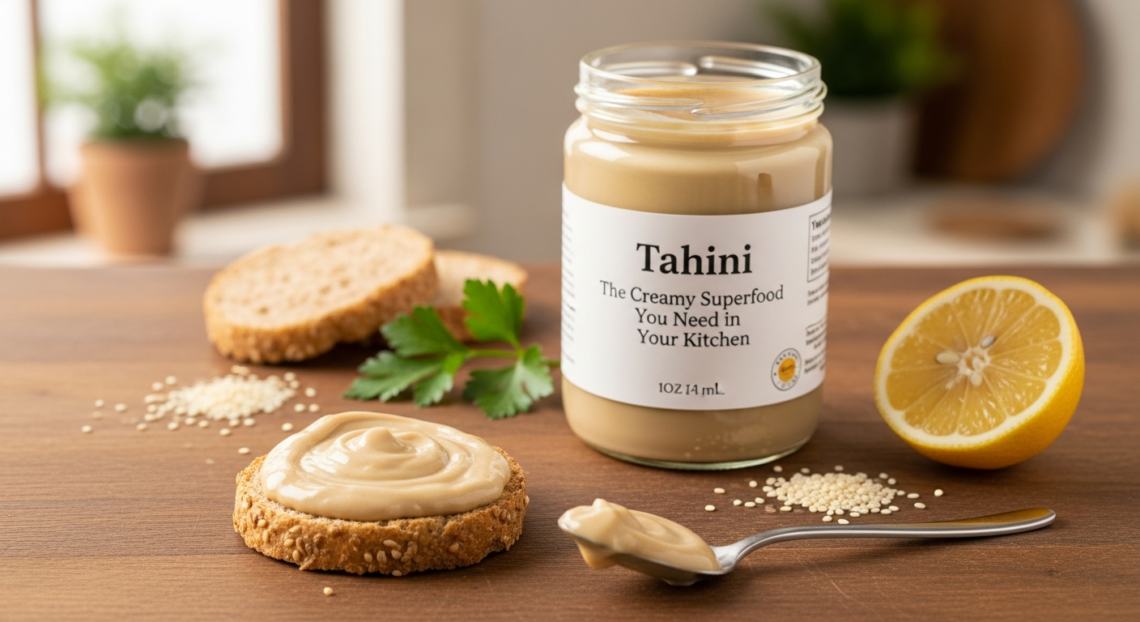
Tahhiini is more than just a paste made from sesame seeds—it’s a culinary treasure with a rich history and incredible health benefits. Used for centuries in Middle Eastern, Mediterranean, and Asian cuisines, tahhiini adds a nutty, creamy flavor to sauces, dips, and even desserts.
Whether you drizzle it on salads, blend it into smoothies, or use it in traditional dishes like hummus, tahhiini brings both taste and nutrition. Packed with healthy fats, protein, and essential minerals, it’s a small ingredient that makes a big impact. In this guide, we’ll explore everything about tahhiini, from its origins and benefits to how to use it creatively in everyday cooking.
What is Tahhiini?
Tahhiini is a smooth paste made from hulled or unhulled sesame seeds. It’s sometimes called sesame paste, and it forms the base for many popular dishes like hummus, baba ghanoush, and salad dressings. The seeds are roasted and ground to create tahhiini, which gives it its distinctive, slightly nutty flavor.
Tahhiini can vary in texture and taste depending on whether it’s made from raw or roasted seeds. Some versions are creamy, while others are thick and rich. Its versatility makes it a staple in both traditional and modern kitchens. Beyond flavor, tahhiini is nutrient-rich, providing a source of healthy fats, protein, vitamins, and minerals like calcium, magnesium, and iron.
A Brief History of Tahhiini
Tahhiini has been enjoyed for thousands of years. Originating in the Middle East, it was initially used in ancient recipes as both a food and a medicinal ingredient. Historical records suggest sesame seeds, and their pastes, were prized for their health benefits and long shelf life.
Over time, tahhiini spread across regions, becoming a key component in Mediterranean, North African, and Asian cooking. Today, it’s recognized globally not only for its culinary versatility but also for its nutritional advantages. From ancient kitchens to modern food blogs, tahhiini continues to capture the hearts of chefs and home cooks alike.
Health Benefits of Tahhiini
Tahhiini isn’t just delicious—it’s packed with nutrients. It contains healthy unsaturated fats, which support heart health and improve cholesterol levels. The protein content makes it a plant-based protein source for vegetarians and vegans.
It’s also rich in minerals like calcium, magnesium, and iron, essential for strong bones and energy production. Tahhiini contains antioxidants and anti-inflammatory compounds that can help protect against chronic diseases. Plus, its fiber content aids digestion and supports gut health. Adding tahhiini to your diet is a simple way to enhance both flavor and nutrition.
How to Choose the Best Tahhiini
Not all tahhiini is created equal. When shopping, look for products labeled “100% sesame seeds” with no added oils or preservatives. Light-colored tahhiini tends to be milder, while darker roasted varieties have a stronger, nuttier taste.
Organic options are preferable for those avoiding pesticides. Also, check the texture: high-quality tahhiini should be creamy and pourable, not overly thick or gritty. Storing it in a cool, dark place will extend its shelf life. A little care in choosing tahhiini makes a big difference in taste and nutrition.
How to Use Tahhiini in Cooking
Tahhiini is incredibly versatile. You can use it as a base for salad dressings by mixing it with lemon juice, olive oil, and garlic. It’s perfect in dips like hummus or baba ghanoush. You can even swirl tahhiini into soups for creaminess without dairy.
It’s also great in baking. Try adding tahhiini to cookies, brownies, or smoothies for a nutty flavor and nutritional boost. Because it blends well with both sweet and savory dishes, tahhiini can transform ordinary meals into something special.
Tahhiini for Vegan and Plant-Based Diets
Tahhiini is a hero ingredient for vegans. It’s naturally plant-based and packed with protein and healthy fats. It can replace dairy in sauces, soups, and dressings, giving a creamy texture without animal products.
It’s also high in calcium, which is important for those who don’t consume dairy. Sprinkling tahhiini over vegetables, blending it into smoothies, or making tahhiini-based dips ensures you get essential nutrients while enjoying delicious meals.
Tahhiini vs. Peanut Butter: What’s the Difference?
Tahhiini and peanut butter may look similar, but they’re quite different. Tahhiini is made from sesame seeds, giving it a lighter, nuttier taste. Peanut butter is made from peanuts and often contains added sugar or oil.
Nutritionally, tahhiini is lower in sugar and richer in minerals like calcium and magnesium. Peanut butter has more protein per serving but may contain more calories and saturated fat. Depending on your diet and taste preferences, both can be part of a healthy lifestyle, but tahhiini offers unique benefits that make it worth trying.
How to Store Tahhiini
Tahhiini should be stored in a cool, dark place, ideally in a tightly sealed jar. Once opened, refrigeration can extend its shelf life and prevent oils from going rancid. Stir it before each use, as natural oils may separate over time.
Homemade tahhiini should be used within a few weeks, while store-bought versions may last several months. Proper storage keeps it fresh, creamy, and flavorful.
Tahhiini in Traditional and Modern Recipes
Tahhiini shines in both classic and contemporary recipes. Traditional dishes like hummus, falafel, and baba ghanoush rely on tahhiini for authentic flavor. Modern chefs use it in salad dressings, smoothies, and desserts.
Its adaptability means you can experiment freely. Tahhiini cookies, tahhiini chocolate truffles, and tahhiini-marinated vegetables are just a few examples of creative uses. The possibilities are endless, limited only by your imagination.
Nutrition Facts Table for Tahhiini (per 2 tbsp / 30g)
| Nutrient | Amount |
| Calories | 180 kcal |
| Protein | 5 g |
| Total Fat | 16 g |
| Saturated Fat | 2 g |
| Carbohydrates | 6 g |
| Fiber | 2 g |
| Calcium | 130 mg |
| Iron | 2 mg |
| Magnesium | 65 mg |
| Vitamin B1 (Thiamine) | 0.1 mg |
FAQs About Tahhiini
1. Is tahhiini healthy?
Yes! Tahhiini is nutrient-rich, providing healthy fats, protein, and minerals like calcium and magnesium.
2. Can I use tahhiini in baking?
Absolutely! It adds a nutty flavor and creaminess to cookies, brownies, and smoothies.
3. What’s the difference between tahhiini and sesame paste?
Tahhiini is a type of sesame paste. Sometimes sesame paste is raw, while tahhiini is often roasted for flavor.
4. Can I store tahhiini in the fridge?
Yes, refrigeration helps prevent oil separation and extends shelf life. Stir before use.
5. Is tahhiini vegan?
Yes, tahhiini is entirely plant-based and perfect for vegan diets.
6. Can tahhiini help with bone health?
Yes, it’s high in calcium and magnesium, which support strong bones and overall health.
Conclusion
Tahhiini is more than a simple sesame paste—it’s a nutritious, versatile, and delicious ingredient that deserves a place in your kitchen. From traditional Middle Eastern dishes to modern health-conscious recipes, tahhiini adds flavor, creaminess, and nutrients to meals.