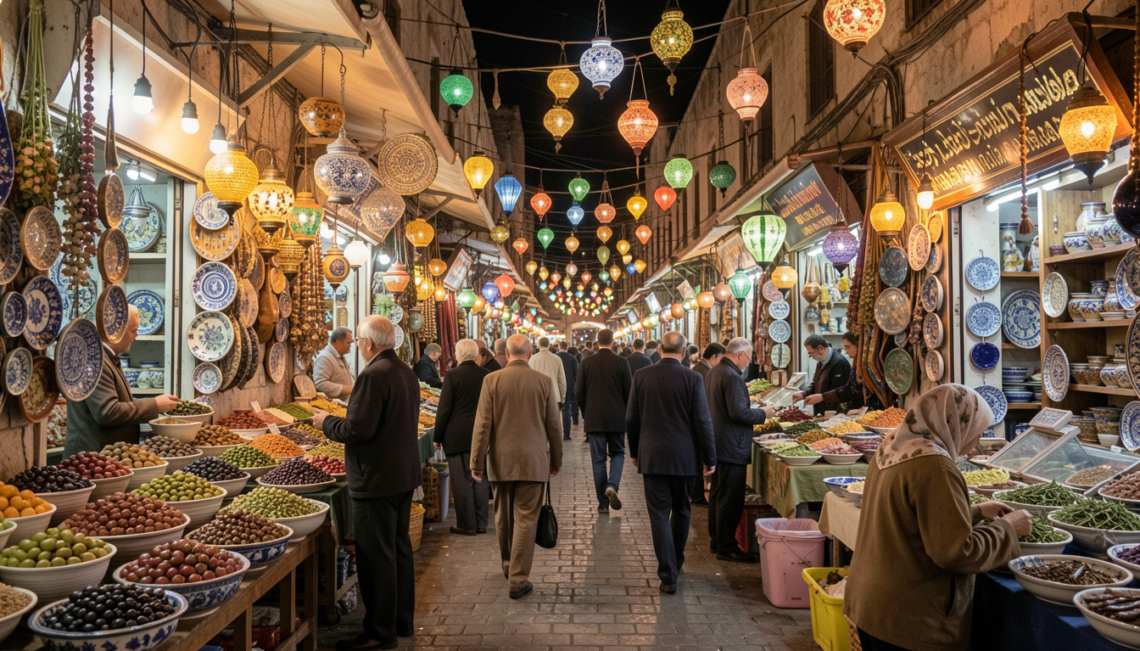
The Jerusalem International Market is not just a place to shop. It’s a lively hub of culture, history, and flavors from all over the world. Visitors can explore unique crafts, sample delicious local foods, and experience the warmth of Jerusalem’s diverse communities. Whether you are a tourist or a local, this market offers something for everyone. In this guide, we’ll explore its highlights, history, tips, and hidden gems to make your visit unforgettable.
History of Jerusalem International Market
The market has a rich history spanning decades. It started as a small gathering of local vendors selling fresh produce and handmade items. Over time, it evolved into a bustling international marketplace. Today, you can find products from every corner of the globe. From spices to jewelry, the market reflects Jerusalem’s diversity and historical trade routes. Visitors often say walking through the market is like traveling through time while exploring global cultures in one place.
What Makes the Market Unique
Unlike typical shopping areas, the Jerusalem International Market combines local traditions with international flair. Each vendor brings a personal touch to their stall, offering handmade crafts, souvenirs, and rare finds. The atmosphere is friendly and welcoming. Street performers, musicians, and local chefs add entertainment and flavor to the experience. It’s a place where visitors can not only shop but also engage with artisans, learn stories, and taste authentic foods.
Top Things to Buy
Shopping here is an adventure! Popular items include:
- Handmade jewelry and textiles
- Locally roasted spices
- Traditional Middle Eastern sweets
- Unique antiques and art pieces
You can also find products from countries like India, Morocco, and Italy. Remember to bargain politely, as many vendors enjoy sharing the story behind each item.
Culinary Delights You Can’t Miss
Food is a major attraction at the Jerusalem International Market. You’ll find falafel, hummus, and freshly baked bread alongside international treats. Street food stalls serve flavors from Thailand, Greece, and Ethiopia. Don’t miss tasting fresh juices and local desserts like knafeh or baklava. The market is perfect for food lovers who want to explore tastes they won’t find anywhere else.
Navigating the Market
The market can feel overwhelming at first because of its size. Start at the entrance and move systematically through each section. Signs and maps help you locate specialty shops and food stalls. Wear comfortable shoes, as you may walk for hours exploring. Early morning or late afternoon visits are ideal to avoid large crowds and enjoy the market’s vibrant atmosphere.
Arts and Crafts at the Market
Local artisans bring creativity to the market. You can find hand-painted ceramics, embroidered fabrics, and wooden carvings. Many artisans offer workshops where visitors can learn techniques and take home their own creations. Buying directly from makers not only supports local communities but also gives you authentic souvenirs with personal stories behind each piece.
Cultural Experience
Visiting the Jerusalem International Market is like stepping into a cultural festival. Each stall reflects the heritage of its country or region. You might hear traditional music, see dancers performing, or watch live demonstrations of art and cooking. It’s a chance to learn about Jerusalem’s multicultural identity in a fun, hands-on way.
Tips for First-Time Visitors
- Bring cash for small vendors.
- Dress modestly as a sign of respect.
- Ask questions—vendors love to share their craft stories.
- Take reusable bags; some stalls don’t offer packaging.
- Set aside at least 2–3 hours to explore thoroughly.
Best Time to Visit
The market is lively year-round. Weekends are busy and colorful, while weekdays are calmer and allow more personal interactions with vendors. Seasonal festivals, such as the summer food fair or holiday craft displays, enhance the experience. Visiting in the morning often offers the freshest foods and most attentive sellers.
Photography Tips
Photography is allowed in most areas, but always ask before taking close-ups of people or products. The market’s colors, lights, and textures create beautiful photo opportunities. Capture candid moments of chefs cooking, artisans crafting, and families enjoying the vibrant atmosphere. Photos will help preserve memories of your visit and inspire others to explore this unique spot.
Local Insights and Personal Experience
As someone who has visited multiple times, I recommend trying the local falafel sandwich—it’s legendary! Take your time wandering slowly and chatting with the artisans. The market feels like a friendly neighborhood where the world meets Jerusalem. The aroma of spices, chatter in different languages, and colorful stalls make it an unforgettable sensory experience.
Complete Biography Table of the Market
| Category | Details |
| Name | Jerusalem International Market |
| Location | Jerusalem, Israel |
| Established | 1970s (formalized as an international market in 1985) |
| Specialties | Spices, crafts, jewelry, street food, antiques |
| Opening Hours | Mon-Sat: 9:00 AM – 7:00 PM; Closed Sundays (varies by vendor) |
| Best Visit Time | Early morning or late afternoon |
| Popular Sections | Food stalls, artisan crafts, international goods, antiques |
| Accessibility | Wheelchair accessible entrances; uneven surfaces in some areas |
| Cultural Significance | Hub for multicultural exchange and local heritage |
| Visitor Tip | Bring cash, wear comfortable shoes, and enjoy bargaining politely |
FAQs
1. Is the market family-friendly?
Yes! Families enjoy interactive food stalls, crafts, and live performances suitable for all ages.
2. Can I find kosher food in the market?
Absolutely. Many stalls are kosher-certified, and signs indicate which foods meet dietary laws.
3. Are credit cards accepted?
Some vendors accept cards, but most prefer cash. Carry small bills for convenience.
4. How crowded is it on weekends?
Weekends are busiest. Visiting weekdays is ideal for a calmer experience.
5. Is parking available near the market?
Yes, there are public parking areas, but early arrival is recommended to secure a spot.
6. Can tourists bargain with vendors?
Yes, polite bargaining is common and often encouraged, especially for crafts and souvenirs.
Conclusion
The Jerusalem International Market is more than shopping—it’s a cultural adventure. From delicious foods and handmade crafts to colorful performances and international flavors, it’s a place to explore, learn, and enjoy. Whether you’re a first-time visitor or a returning local, this market leaves lasting memories. Make your next trip to Jerusalem truly special by immersing yourself in this vibrant international hub.