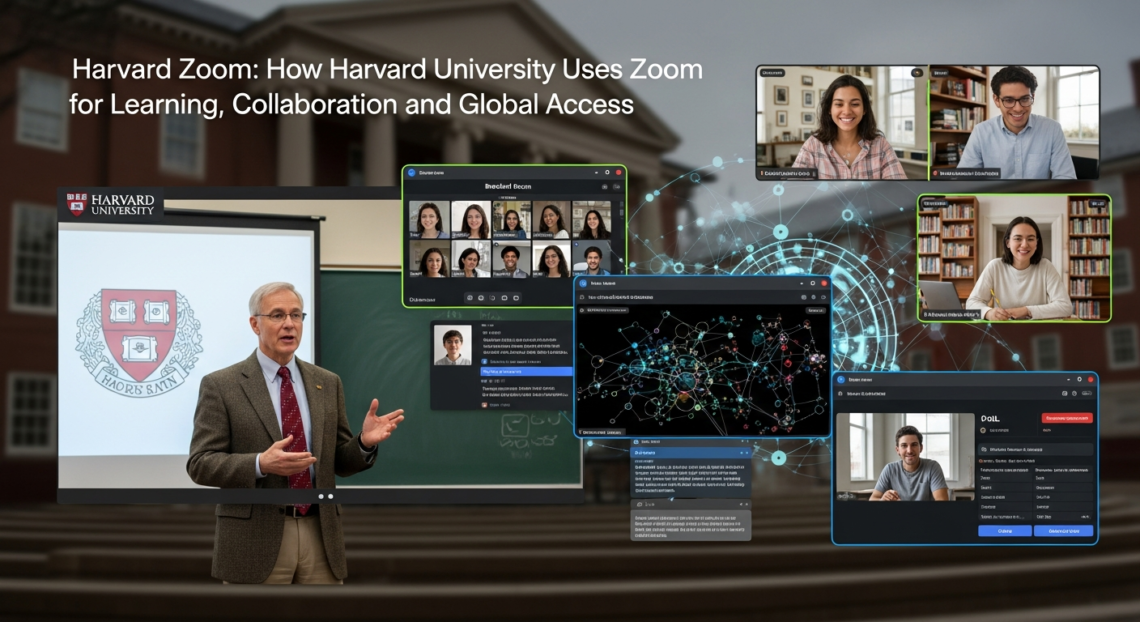
The phrase harvard zoom has become increasingly popular as students, educators, and professionals search for how Harvard University integrates Zoom into its academic and professional ecosystem. From virtual classrooms to international conferences, Zoom has transformed how Harvard connects people across the world. What began as an emergency response to global disruptions has evolved into a permanent and strategic part of Harvard’s digital infrastructure.
Harvard Zoom is not just about online classes. It represents a broader shift toward flexible, inclusive, and technology-driven education. By combining Harvard’s academic excellence with Zoom’s communication tools, the university has expanded its reach far beyond campus walls.
What Is Harvard Zoom and Why It Matters
Harvard Zoom refers to the university’s official use of Zoom as a video conferencing and collaboration platform for teaching, meetings, events, and research activities. Harvard provides licensed Zoom accounts to students, faculty, and staff, ensuring secure and high-quality virtual communication.
This system matters because it allows Harvard to maintain academic continuity while offering flexibility. Students can attend lectures from anywhere, guest speakers can join classes without travel, and global collaboration becomes seamless. Harvard Zoom has become a core component of modern higher education.
Harvard Zoom in Online and Hybrid Education
One of the most significant uses of Harvard Zoom is in online and hybrid learning models. Professors conduct live lectures, host discussions, and engage students through breakout rooms and real-time polls. Recorded sessions allow students to revisit complex topics, improving comprehension and retention.
Hybrid courses combine in-person instruction with Zoom participation, ensuring that students who cannot attend physically are not left behind. This approach has made Harvard’s courses more accessible to international students, working professionals, and those with personal or health-related constraints.
Zoom Integration Across Harvard Schools
Harvard University is made up of multiple schools, including Harvard Business School, Harvard Medical School, Harvard Law School, and Harvard Extension School. Each of these institutions uses Harvard Zoom in ways tailored to their specific needs.
Harvard Business School uses Zoom for case discussions, executive education programs, and global leadership sessions. Harvard Medical School relies on Zoom for virtual simulations, research collaboration, and continuing medical education. Harvard Extension School, which serves a large online student population, heavily depends on Zoom for live classes and academic advising.
Harvard Zoom for Events and Conferences
Beyond classrooms, Harvard Zoom plays a major role in hosting academic conferences, alumni events, and public lectures. Renowned scholars, policymakers, and industry leaders regularly participate in Harvard-hosted Zoom events, drawing attendees from around the world.
These virtual events reduce costs, eliminate travel barriers, and increase participation. Recordings are often made available, extending the life and impact of each event. Harvard Zoom has therefore become a powerful tool for knowledge dissemination and public engagement.
Security and Privacy in Harvard Zoom
Security is a critical concern for any large institution, and Harvard Zoom is designed with this in mind. Harvard provides institution-managed Zoom accounts that include enhanced security features such as authenticated access, encrypted sessions, and controlled screen sharing.
Meeting hosts are trained to manage waiting rooms, restrict entry, and prevent disruptions. These measures ensure that Harvard Zoom sessions remain safe spaces for learning and discussion, protecting both intellectual property and personal data.
Accessibility and Inclusivity Through Harvard Zoom
Harvard Zoom supports accessibility features that make learning more inclusive. Live captions, recorded transcripts, and adjustable audio and video settings help students with disabilities participate fully in classes and events.
The platform also supports different learning styles. Visual learners benefit from screen sharing and presentations, while auditory learners gain from recorded lectures. By leveraging Zoom’s features, Harvard reinforces its commitment to equity and inclusion in education.
Training and Support for Harvard Zoom Users
To ensure effective use of the platform, Harvard offers training resources and technical support for Harvard Zoom users. Faculty receive guidance on best practices for virtual teaching, while students have access to tutorials and help desks.
This support system minimizes technical barriers and allows participants to focus on learning and collaboration. As Zoom continues to evolve, Harvard regularly updates its training materials to reflect new features and security standards.
The Future of Harvard Zoom
Harvard Zoom is not a temporary solution but a long-term strategy. Even as in-person activities resume fully, Zoom remains essential for hybrid courses, global collaboration, and lifelong learning programs.
Future developments may include deeper integration with learning management systems, advanced analytics for student engagement, and expanded virtual reality experiences. Harvard Zoom will continue to shape how education is delivered at one of the world’s leading universities.
How Harvard Zoom Impacts Global Education
The influence of Harvard Zoom extends beyond the university itself. By offering virtual access to world-class education, Harvard sets a standard for other institutions. Professionals, educators, and policymakers often look to Harvard’s Zoom-based initiatives as models for effective online learning.
This global impact reinforces Harvard’s mission to educate leaders who make a difference in the world, regardless of physical location.
Frequently Asked Questions About Harvard Zoom
What is Harvard Zoom used for?
Harvard Zoom is used for online classes, hybrid learning, meetings, research collaboration, conferences, and public events across Harvard University.
Do Harvard students get free Zoom access?
Yes, Harvard provides licensed Zoom accounts to enrolled students, faculty, and staff as part of its institutional services.
Is Harvard Zoom secure?
Harvard Zoom includes enhanced security features such as authentication, encryption, and controlled access to protect users and content.
Can non-Harvard participants join Harvard Zoom meetings?
Yes, external participants can join Harvard Zoom meetings when invited, especially for public lectures, conferences, and collaborative projects.
Will Harvard continue using Zoom in the future?
Yes, Harvard Zoom is expected to remain a key part of the university’s teaching and collaboration strategy, even as in-person activities continue.