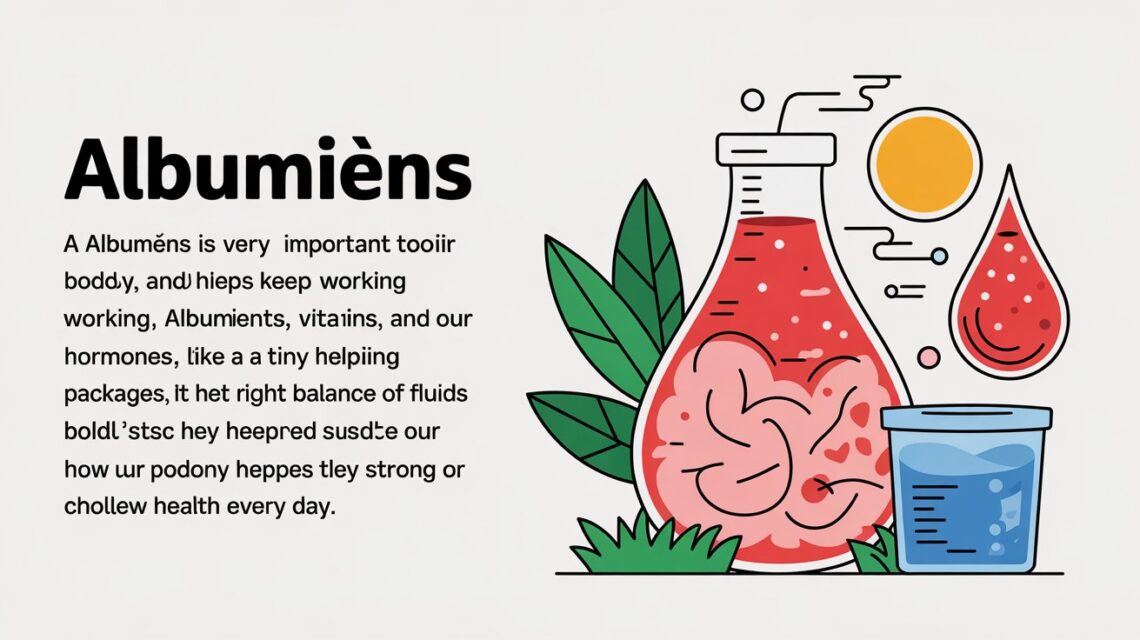
Albumīns is a very important protein in our body, and many people do not know how much it helps us every single day. Albumīns works like a tiny helper that carries nutrients, keeps the blood balanced, and supports overall health. When our albumīns level drops, we may feel weak, sick, or tired without knowing the real reason. This makes it important to understand what albumīns does and why our body needs it so much. In this blog, we will talk in very simple words so anyone can understand how albumīns works inside us and why doctors check it in blood tests. Learning about albumīns can help us take care of our health in smarter ways.
Albumīns also plays a big role in keeping water inside our blood vessels, so our body does not swell or feel puffy. When albumīns is low, water may leak out into the body tissues, causing swelling in legs, feet, or face. That is why doctors look at albumīns levels when checking for kidney, liver, or nutrition problems. Eating enough healthy foods can help keep albumīns level normal, but sometimes medical help is needed. In this blog post, we will explore how albumīns works, what causes low levels, and how to keep it balanced in a simple, friendly, and helpful way.
What Is albumīns and Why Our Body Needs It
Albumīns is a very important protein that is found in our blood and it helps the body in many ways that we do not see every day. Albumīns works like a carrier, moving vitamins, minerals, and other nutrients to different parts of the body so that cells can stay healthy and strong. It also keeps the balance of fluids in our blood, which stops swelling and helps organs work properly. If albumīns levels are low, it can make people feel tired, weak, or sick because the body is not getting the support it needs. Doctors often check albumīns in blood tests because it tells them about overall health, nutrition, liver, and kidney function. Understanding albumīns helps us know how important proper food, hydration, and medical care are for keeping our body strong and balanced every day.
How albumīns Helps Your Body Stay Healthy
Albumīns helps the body in ways that many people do not notice, but it is very important for life. It carries tiny nutrients and proteins to cells so that every part of the body can work correctly. Albumīns also keeps water in the blood, stopping it from leaking into tissues, which can prevent swelling in legs, hands, or face. Low albumīns can happen if we are sick, do not eat enough healthy food, or have problems with the liver or kidneys. By keeping albumīns normal, the body can heal better, fight infections, and stay strong. Doctors often recommend foods, supplements, or treatments to improve albumīns levels. Knowing how albumīns works can help anyone take care of their health in a simple and easy way, and it reminds us that small daily habits affect our protein levels and overall energy.
Common Signs When albumīns Level Is Low
Low albumīns can make the body show signs that are easy to notice if we pay attention. Some common signs include swelling in feet, legs, or face because fluids are leaking from blood into tissues. People may feel very tired, weak, or have poor healing from cuts or injuries. Low albumīns can also cause dizziness or a lack of energy because the blood is not carrying nutrients well. Sometimes, doctors find low albumīns during a routine blood test even if someone does not feel sick yet. Understanding these signs helps people get medical advice early. By knowing how albumīns affects the body, we can improve our health through proper diet, hydration, and regular checkups. Awareness about albumīns can save people from bigger health problems in the future.
What Causes Low albumīns Level in the Body
Low albumīns levels happen for different reasons and it is important to know them. One reason is poor nutrition, especially when people do not eat enough protein from foods like eggs, meat, or beans. Another reason is problems in the liver or kidneys, which stop the body from making or keeping albumīns properly. Illnesses like infections, inflammation, or long-term sickness can also lower albumīns. Sometimes, low albumīns happens after surgery or serious injuries because the body uses a lot of protein to heal. Even being dehydrated can affect albumīns slightly. By knowing the causes, people can take simple steps like eating healthy foods, drinking enough water, and seeing a doctor if needed. Early care and awareness about albumīns help keep the body balanced, active, and safe from complications that might happen if low levels are ignored.
Foods That Help Improve albumīns Naturally
Eating the right foods is a simple way to keep albumīns levels healthy. Foods rich in protein like eggs, chicken, fish, beans, lentils, and dairy products give the body what it needs to make albumīns. Nuts and seeds also help because they contain protein and healthy fats that support overall blood health. Fruits and vegetables, especially leafy greens, provide vitamins and minerals that help the body use albumīns better. Drinking enough water is also important because dehydration can reduce albumīns slightly. For people with very low albumīns, doctors may recommend special protein drinks or supplements to improve levels faster. Eating regularly and choosing healthy foods can help maintain albumīns naturally. By understanding the connection between food and albumīns, we can make small daily choices that help our body stay strong, balanced, and full of energy every day.
How Doctors Test albumīns and What Results Mean
Doctors check albumīns by doing a blood test, which is simple and gives important information about health. The test shows if albumīns is in a normal range, too low, or sometimes too high. Low albumīns can mean problems with nutrition, liver, kidneys, or other health conditions. High albumīns is rare but can happen if someone is very dehydrated. Understanding the results helps doctors suggest the right treatment or changes in diet. Sometimes, repeated tests are needed to see if albumīns is improving. By knowing how albumīns tests work, people can be more aware of their health and take action early. Regular checkups and blood tests can prevent bigger problems and make sure albumīns stays at the level the body needs to stay strong, healthy, and active every day.
albumīns and Its Connection With Liver and Kidneys
Albumīns is made mostly in the liver, and healthy kidneys help keep it in the blood. If the liver is sick, it may not produce enough albumīns, which lowers the protein level in the blood. If the kidneys are damaged, albumīns may leak out into the urine, which also reduces levels. This is why doctors check albumīns when looking at liver or kidney health. Keeping albumīns normal helps the body fight infections, balance fluids, and heal wounds. Eating good foods, drinking enough water, and following doctor advice helps support liver and kidney function. Understanding how albumīns connects to these organs shows why this protein is very important for overall health and why monitoring it can prevent serious problems before they start.
Easy Tips to Keep albumīns Level Balanced
There are simple steps to keep albumīns levels healthy. Eating enough protein from eggs, meat, beans, and dairy is important. Drinking water regularly helps maintain balance in the blood. Avoiding too much junk food or processed items helps the body use protein better. Regular exercise supports circulation and overall health. Getting medical checkups, especially if someone feels weak or notices swelling, can help catch low albumīns early. For people with special health conditions, following doctor advice for supplements or medicines is important. By doing these small steps daily, anyone can help maintain albumīns naturally. Healthy habits now can prevent bigger problems later and keep the body strong, energized, and working well every day.
When Low albumīns Needs Medical Care
Sometimes low albumīns cannot be fixed only with food or water and needs medical care. Doctors may suggest treatments, supplements, or special diets depending on the cause. Low albumīns can be linked to liver disease, kidney problems, infections, or serious injuries. Early treatment helps prevent swelling, weakness, and other health complications. Monitoring albumīns levels through blood tests is important for people with ongoing health issues. Following doctor advice and taking medicines or protein supplements carefully helps the body recover faster. Understanding when medical care is needed keeps the body safe and healthy. Taking action early gives the best chance to restore albumīns and support overall strength, energy, and wellness.
Final Thoughts About albumīns and Daily Health
Albumīns is a very important protein that helps our body every single day. It carries nutrients, keeps water balanced, and supports organs to work properly. Low albumīns can make people feel tired, weak, or cause swelling in the body. Eating healthy foods, drinking water, and checking with a doctor if needed can keep albumīns at a normal level. By understanding albumīns, we can take small steps to stay strong and healthy without needing complicated treatments.
Keeping albumīns healthy is simple if we follow good habits. Daily protein from eggs, beans, or meat, enough water, and regular checkups help the body stay balanced. Doctors’ advice and early care can fix problems before they get worse. Remembering albumīns helps us stay energetic, heal faster, and feel good every day.
FAQs
Q: What is albumīns?
A: Albumīns is a protein in the blood that carries nutrients and keeps the body balanced.
Q: Why is albumīns important?
A: It helps move nutrients, balance water in the blood, and supports organs to work properly.
Q: What causes low albumīns?
A: Poor nutrition, liver or kidney problems, sickness, or injuries can lower albumīns.
Q: How can I improve albumīns naturally?
A: Eat protein-rich foods like eggs, beans, meat, and drink enough water.
Q: When should I see a doctor about albumīns?
A: If you feel very tired, notice swelling, or have health problems, a doctor can check your albumīns.