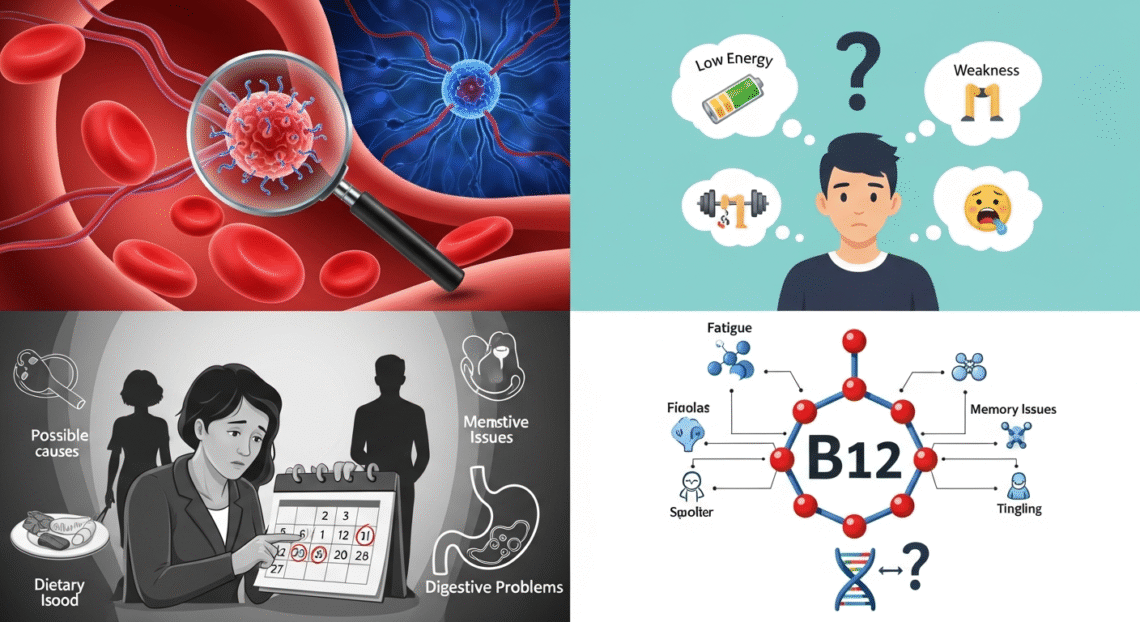
Can vitamin b12 deficiency be a sign of cancer is a question many people ask when they notice low energy, weakness, or unusual tiredness. Vitamin B12 is important for making red blood cells and keeping nerves healthy. When your body does not get enough B12, it can cause problems like fatigue, memory issues, or tingling in your hands and feet. Some people worry that low B12 could mean something serious, including cancer, but the truth is more complicated. Many factors, like diet or digestive issues, can cause low B12.
Doctors say that while can vitamin b12 deficiency be a sign of cancer in rare cases, it is usually caused by other things. Certain cancers, like stomach or blood cancers, may affect how your body absorbs B12. But most people with B12 deficiency do not have cancer. It’s important to notice other symptoms like weight loss, stomach pain, or changes in appetite. If these appear along with low B12, talking to a doctor can help find the cause quickly. Regular check-ups and simple blood tests can help detect problems early.
What Causes Vitamin B12 Deficiency and Could It Signal Cancer?
Vitamin B12 deficiency happens when your body does not get enough of this important vitamin or cannot use it properly. This can happen if you do not eat enough foods with B12 like meat, eggs, and dairy. Sometimes, your stomach cannot absorb B12 well because of conditions like gastritis or anemia. Rarely, cancers like stomach or blood cancers can make it hard for your body to take in B12, which can cause low levels. Most of the time, B12 deficiency is caused by simple diet or absorption problems, not cancer. Still, noticing low energy, weakness, or tingling in hands and feet is important. If you have these signs, a doctor can check your B12 levels and see if something serious is causing it, so you can get help early and stay healthy.
How Can Vitamin B12 Deficiency Be a Sign of Cancer in Rare Cases?
In rare situations, vitamin B12 deficiency can be a sign of cancer because some cancers interfere with the body’s ability to absorb nutrients. Stomach cancer or certain blood cancers can damage the stomach lining or bone marrow, which stops B12 from being absorbed properly. This can make people feel very tired, weak, or dizzy. However, most people with low B12 do not have cancer, so it is not a common cause. Doctors look for other symptoms like unexplained weight loss, stomach pain, or changes in appetite to decide if cancer might be involved. Early detection is very important, so if you notice unusual symptoms along with B12 deficiency, getting tested quickly can help find the real cause and improve your health outcomes.
Common Symptoms of Vitamin B12 Deficiency You Should Watch
Vitamin B12 deficiency can show many signs that are easy to notice if you pay attention. You may feel tired all the time, weak, or dizzy. Some people notice tingling or numbness in their hands and feet or have trouble walking steadily. Memory problems, confusion, or mood changes can also happen because B12 is important for the nervous system. Pale skin, shortness of breath, or heart palpitations are additional warning signs. Even though these symptoms can be scary, most are caused by simple B12 deficiency from diet or absorption problems, not cancer. Watching for these symptoms and getting a blood test can help you find out if you need more B12, which can improve energy, mood, and overall health quickly.
When to Worry About Vitamin B12 Deficiency and Cancer Risk
You should pay extra attention to vitamin B12 deficiency if it comes with unusual symptoms that might signal something serious. Signs like sudden weight loss, stomach pain, frequent nausea, or bleeding are red flags. Also, if you feel very weak, dizzy, or have numbness along with low B12, it is important to see a doctor. These signs might rarely indicate cancer affecting nutrient absorption. Most B12 deficiencies are caused by diet, medications, or other health conditions, but doctors check for cancer when symptoms are unusual or persistent. Early testing helps catch problems faster. Getting advice from a healthcare professional ensures the right treatment, whether you need B12 supplements or more tests to rule out serious causes.
Foods and Habits That Help Prevent Vitamin B12 Deficiency
Eating foods rich in vitamin B12 is the best way to prevent deficiency. Meat, fish, eggs, and dairy are natural sources of B12. Vegetarians or vegans can take fortified foods or supplements to get enough B12. Good habits like eating a balanced diet, checking for digestive problems, and taking medications properly help your body use B12 well. Avoiding alcohol in excess and managing stomach issues can also improve B12 absorption. Regular check-ups and simple blood tests can make sure your levels are healthy. When you take care of your B12 intake and lifestyle, you reduce the risk of deficiency and its symptoms. This keeps your energy, nerves, and overall health in good condition every day.
Testing for Vitamin B12 Levels: What Your Doctor Looks For
Doctors use blood tests to check vitamin B12 levels and understand the cause of any deficiency. They look at the amount of B12 in your blood and sometimes test for related markers like homocysteine or methylmalonic acid. Doctors also ask about diet, medications, and any symptoms like weakness, numbness, or memory problems. If results are very low, they may investigate digestive issues or, in rare cases, signs of cancer. Testing helps your doctor decide whether you need supplements, injections, or further treatment. Regular testing is safe and simple. Finding and treating a deficiency early prevents serious problems and keeps your energy, nerves, and overall health in good shape for a long time.
Treating Vitamin B12 Deficiency Safely at Home and Clinically
Vitamin B12 deficiency can be treated easily once the cause is found. If diet is the problem, eating more B12-rich foods or taking supplements can help. Sometimes, doctors give B12 injections for faster results, especially if absorption in the stomach is poor. Daily supplements are also safe and effective for most people. Treating deficiency improves energy, mood, memory, and prevents nerve damage. It is important to follow your doctor’s advice and get regular tests to make sure B12 levels return to normal. With proper care, most people feel much better in a few weeks. Early treatment also reduces the chance of serious problems in the future, keeping your body strong and healthy.
Conclusion
Vitamin B12 deficiency can be scary, but it usually does not mean cancer. Most low B12 cases happen because of diet or stomach problems. Paying attention to signs like tiredness, weakness, or numbness can help you find problems early. Eating B12-rich foods and getting check-ups keeps your body healthy.
Rarely, low B12 may be linked to cancers like stomach or blood cancer. If unusual symptoms appear with deficiency, a doctor can test and find the cause. Early detection and treatment make a big difference. Simple steps like supplements, diet changes, or medical treatment help your energy, mood, and nerves improve quickly.
FAQs
Q: Can low B12 always mean cancer?
A: No, most low B12 cases are caused by diet or absorption issues, not cancer.
Q: What are the main signs of B12 deficiency?
A: Tiredness, weakness, numbness, memory problems, and pale skin are common signs.
Q: How do doctors test B12 levels?
A: Doctors use blood tests and may check related markers like homocysteine.
Q: Can diet alone fix B12 deficiency?
A: Yes, eating B12-rich foods or taking supplements can fix many cases.
Q: When should I see a doctor for low B12?
A: See a doctor if you have low energy, numbness, or unusual symptoms with deficiency.