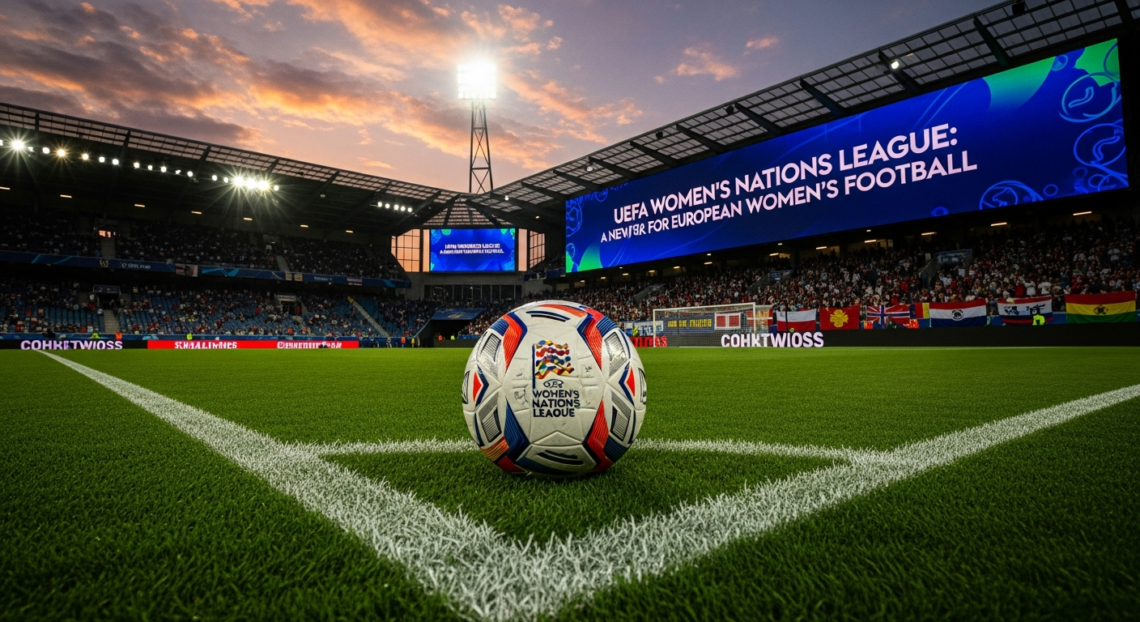
The UEFA Women Nations League represents a major step forward in the development, competitiveness, and global visibility of women’s football in Europe. Designed to mirror the successful men’s format, this competition has reshaped how national teams compete, qualify for major tournaments, and build long-term strength. Since its introduction, the tournament has brought increased intensity, clearer pathways to international success, and more meaningful matches for teams across all levels.
What Is the UEFA Women’s Nations League
The UEFA Women’s Nations League is a continental competition organized by UEFA for European women’s national teams. It replaces most international friendly matches with structured, competitive fixtures that matter both for trophies and qualification routes. The tournament is played in cycles and features promotion, relegation, and a finals stage for top-performing teams.
Its core objective is to raise the overall standard of women’s international football by ensuring teams face opponents of similar strength on a regular basis. This format encourages development, competitiveness, and fan engagement throughout Europe.
Structure of the UEFA Women’s Nations League
The competition is divided into multiple leagues based on team rankings and performance. Each league consists of several groups, and teams play home-and-away matches within their groups during international windows.
League A features the strongest national teams competing for the title. League B and League C include developing and emerging teams aiming for promotion. At the end of each cycle, the best teams move up, while the lowest-ranked teams are relegated, maintaining balance and competitiveness.
League A: The Elite Level of Competition
League A represents the highest tier of the UEFA Women’s Nations League. It includes Europe’s most successful and consistent national teams, such as those regularly competing in the UEFA Women’s European Championship and FIFA Women’s World Cup.
Teams in League A compete not only for group supremacy but also for a place in the Nations League Finals. These matches often feature world-class players, tactical depth, and high-intensity football, making League A the most-watched part of the competition.
League B: The Battleground for Progress
League B serves as a critical middle ground in the tournament structure. Teams here are often on the rise, striving to challenge established nations while avoiding relegation.
This league provides valuable experience against evenly matched opponents, allowing teams to test tactics, develop players, and build confidence. Promotion to League A can significantly enhance a nation’s football profile and competitive opportunities.
League C: Development and Opportunity
League C focuses on nations that are still developing their women’s football programs. These teams benefit greatly from consistent competitive matches instead of irregular friendlies.
The structure allows emerging teams to gain experience, improve tactical discipline, and measure progress against comparable opposition. Success in League C can lead to promotion, bringing increased exposure and tougher competition in future cycles.
Promotion and Relegation System
One of the most impactful features of the UEFA Women’s Nations League is its promotion and relegation system. This system ensures that teams are regularly challenged at the appropriate level.
Strong performances are rewarded with promotion, while underperforming teams are relegated. This dynamic structure keeps matches competitive and motivates national associations to invest in player development, coaching, and infrastructure.
Role in Tournament Qualification
The UEFA Women’s Nations League plays a significant role in qualification pathways for major tournaments such as the UEFA Women’s European Championship and the FIFA Women’s World Cup.
Depending on the cycle, Nations League performance can determine direct qualification spots or access to playoff routes. This integration makes every match meaningful and adds strategic importance to squad selection and match preparation.
Impact on Women’s Football Development
The introduction of the UEFA Women’s Nations League has accelerated the growth of women’s football across Europe. National teams now benefit from regular, high-stakes competition that promotes tactical sophistication and player development.
The tournament has also increased visibility for women’s football, attracting more media coverage, sponsorships, and fan engagement. Young players gain inspiration by watching their national teams compete on a consistent international stage.
Fan Engagement and Media Coverage
The competitive nature of the UEFA Women’s Nations League has significantly boosted fan interest. Matches are more meaningful than friendlies, which has led to higher attendance, improved broadcasting deals, and stronger digital engagement.
Supporters can follow promotion battles, title races, and qualification scenarios, making the tournament easier to understand and more exciting to watch.
Challenges and Future Potential
Despite its success, the UEFA Women’s Nations League still faces challenges. Scheduling congestion, travel demands, and balancing club and international commitments remain key issues.
However, the future potential is substantial. As women’s football continues to grow, the Nations League could expand in prestige, prize money, and global recognition, further solidifying its role in the international calendar.
Conclusion
The UEFA Women’s Nations League has transformed the landscape of European women’s international football. By replacing friendlies with meaningful competition, introducing promotion and relegation, and linking performance to major tournament qualification, UEFA has created a system that benefits players, teams, and fans alike. As the tournament evolves, it is set to play an even greater role in shaping the future of women’s football across Europe.
Frequently Asked Questions (FAQs)
What is the purpose of the UEFA Women’s Nations League
The main purpose is to create more competitive and meaningful matches for women’s national teams while supporting development and qualification pathways.
How many leagues are in the UEFA Women’s Nations League
The competition consists of three main leagues: League A, League B, and League C.
Can teams qualify for major tournaments through the Nations League
Yes, performance in the UEFA Women’s Nations League can directly or indirectly affect qualification for major tournaments.
How does promotion and relegation work
Top teams in each group are promoted to a higher league, while the lowest-ranked teams are relegated to a lower league.
Why is the UEFA Women’s Nations League important
It improves competitive balance, increases visibility, supports player development, and strengthens women’s football across Europe.